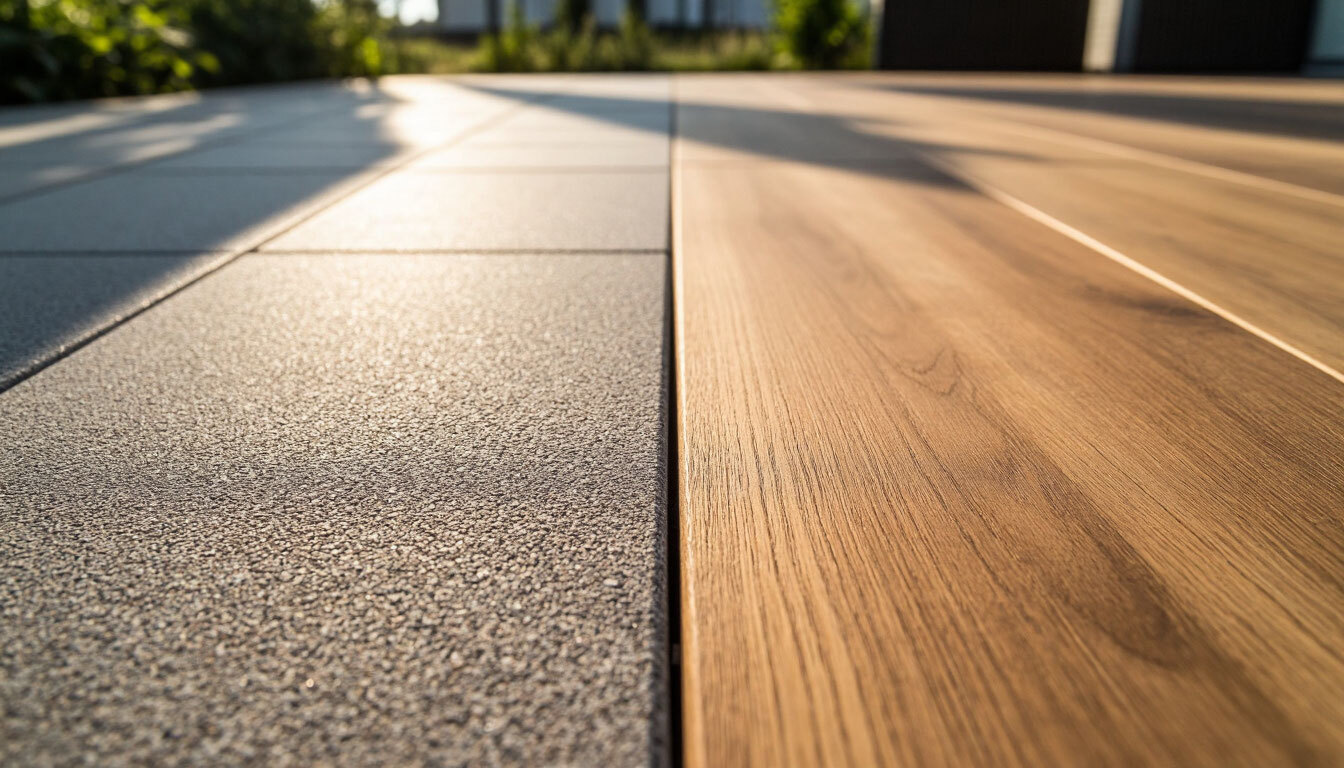
In the search for modern surfacing solutions in the UAE, the terms ‘resin bound’ and ‘resin bonded’ are often used interchangeably, leading to confusion and mismatched expectations. While both solutions utilize resin and stone aggregate, they are fundamentally different technologies with distinct physical properties, aesthetics, and applications. Understanding this distinction is not merely a matter of terminology but the foundation for making a sound investment decision that will determine the durability, functionality, and appearance of your surface for decades to come.
The fundamental difference: a matter of structure and philosophy
The core distinction lies in the manufacturing process and the final material structure. Resin bound surfacing involves the thorough mixing of a specialized polyurethane resin with a selected stone aggregate of varying sizes in a controlled factory environment. This process fully and uniformly coats every stone particle with resin, creating a homogeneous, pliable mixture. This mixture is delivered to the site and laid to form a seamless, monolithic surface where the stone and resin are a single, unified entity. The finished surface is porous and permeable.
In contrast, the resin bonded technique involves applying a layer of epoxy or polyurethane resin onto an existing solid base (such as asphalt or concrete) and then scattering a thin layer of fine stone onto the wet surface. The stone particles are not mixed with the resin but are merely glued to its top layer. The result is a rough-textured surface, similar to sandpaper, which is impermeable to water.
Visual appeal and tactile properties: aesthetics versus utility
The difference in technology directly dictates the final aesthetic outcome. A resin bound surface is visually and tactilely perceived as a solid stone carpet. It possesses depth, color richness, and a noble, natural stone-like texture. The surface is smooth, pleasant to walk on barefoot, and visually seamless, allowing for complex design solutions and smooth color transitions.
Resin bonded surfacing offers a more utilitarian aesthetic. Its appearance is defined solely by the top layer of scattered stone. Tactilely, it is hard and intensely rough due to the protruding edges of the stone chips. This texture is effective for anti-slip purposes but is not comfortable for prolonged barefoot use. Visually, it can appear less uniform, and over time, gradual loss of stones from the surface layer is possible.
Performance and application: where each material excels
The choice between the two technologies should be dictated by the specific tasks of the project.
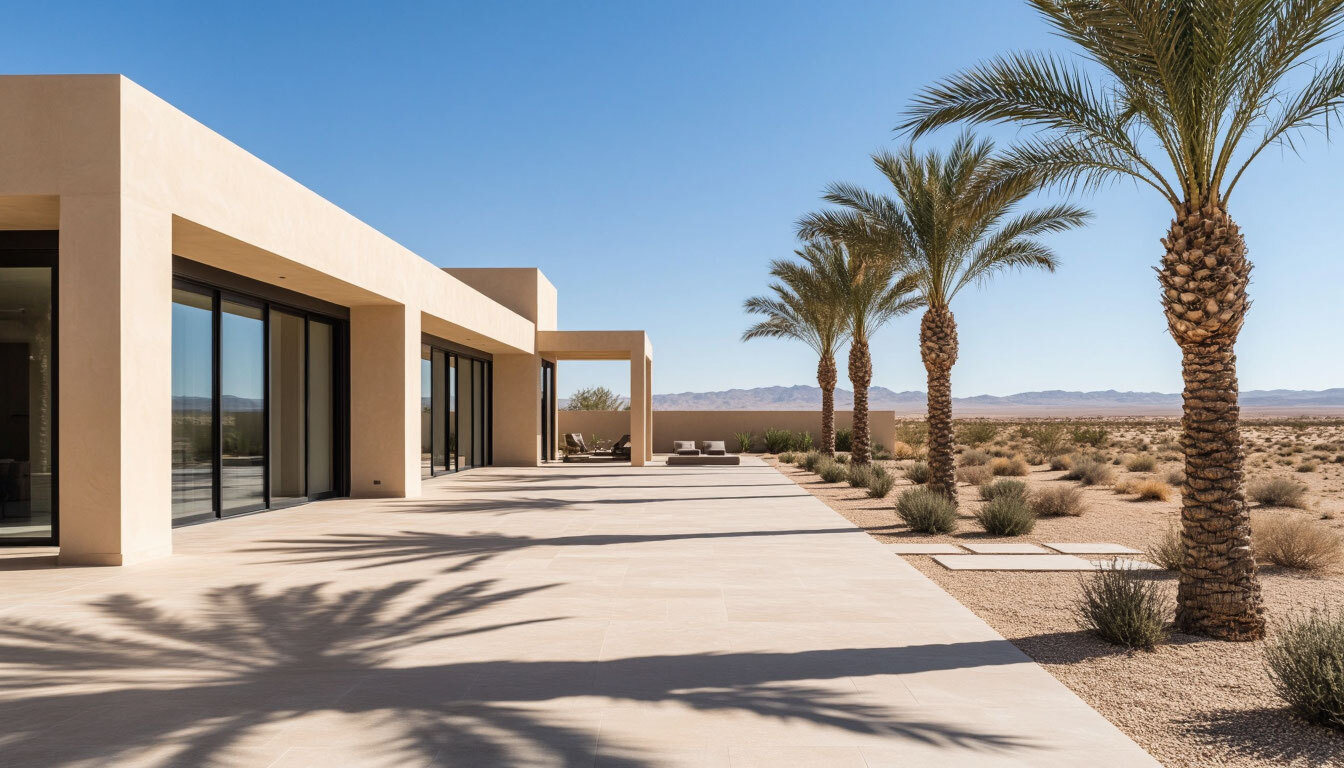
Resin bound is a premium solution for areas where both aesthetics and comfort are important. Its permeability makes it ideal for use in the UAE, where occasional heavy rainfall requires efficient water drainage. It prevents puddling and ice formation, enhancing safety. Thanks to its monolithic and flexible nature, it is resistant to cracking. These properties make it suitable for:
- Pedestrian footpaths and poolside areas
- Terraces and patios of private villas
- Driveways with light to medium traffic
- Public spaces and hotel grounds where appearance is key
Resin bonded, in turn, finds its niche where functionality and resistance to extreme loads are paramount. Its key advantage is exceptional strength and resistance to abrasion and chemicals. It better withstands intensive traffic, including studded tires and frequent vehicle turning. Its primary applications are:
- Sloped surfaces of ramps and access roads
- Cycle paths
- Industrial floors and loading bays
- Car parks and driveways with heavy traffic loads
Longevity and maintenance: hidden costs and benefits
From a long-term operational perspective, both surfaces demonstrate high durability. However, their vulnerabilities and maintenance needs differ.
The main enemy of a resin bonded surface is water trapped beneath it. Because it is impermeable, any damage to the base or the edges can allow moisture to penetrate underneath, leading to delamination of the entire layer from the substrate. Repair in such cases is complex and often requires replacement of the entire section.
The resin bound system, being permeable, is not susceptible to this risk. Water freely drains through it into the sub-base. The primary risk here is the use of low-quality resin that lacks UV stability, which can lead to yellowing and loss of elasticity, or physical damage from sharp impacts. High-quality systems last for decades, requiring only occasional cleaning to maintain their appearance.
Conclusion: making an informed choice for the UAE environment
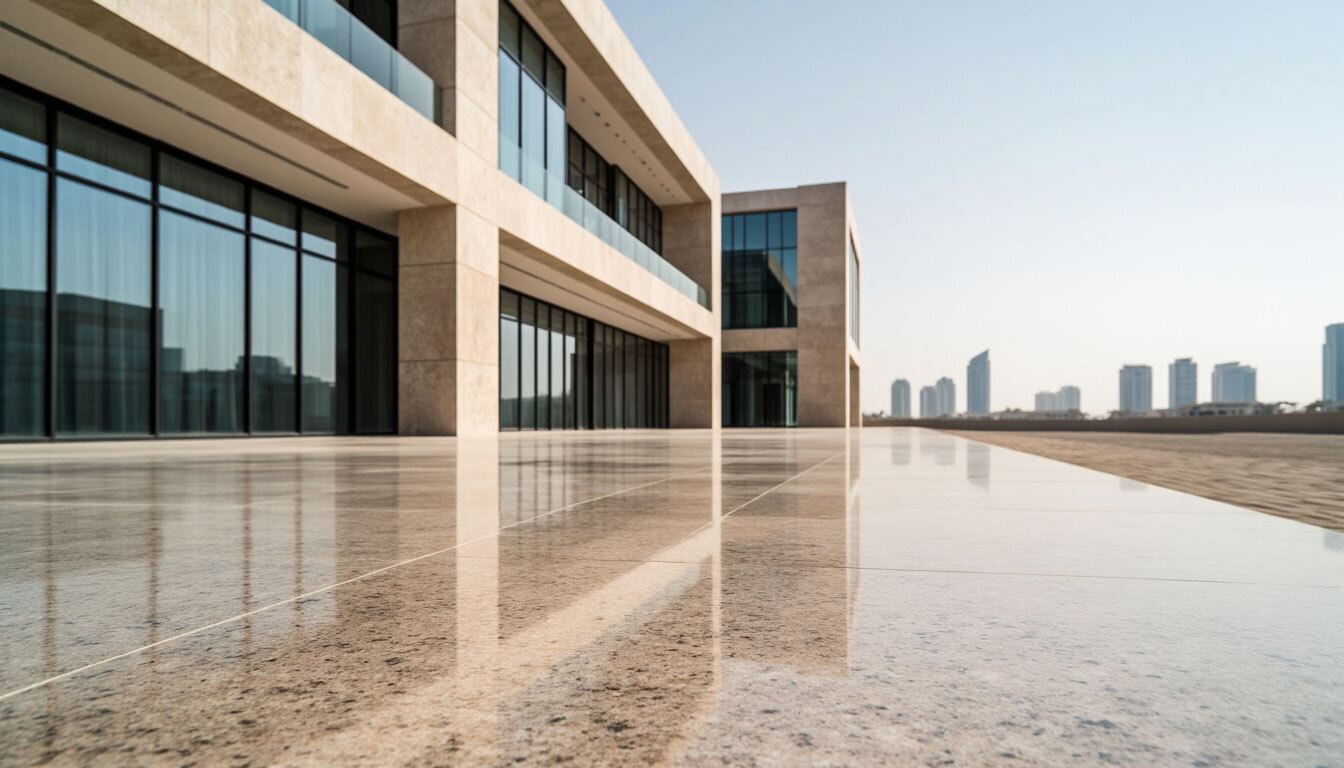
Therefore, the choice between resin bound and resin bonded has no universal answer. For projects in the UAE, where landscapes must combine luxurious appearance, resistance to scorching sun, and the ability to handle seasonal rains, resin bound technology most often emerges as the preferable choice for the majority of private and commercial properties. It offers that very balance of flawless aesthetics, practical functionality, and longevity that meets the high standards of the region.
Ready to determine which technology is the ideal foundation for your project? Our specialists can assist with a site and requirement analysis to propose the optimal solution, taking into account all the nuances of operation in the Emirates.