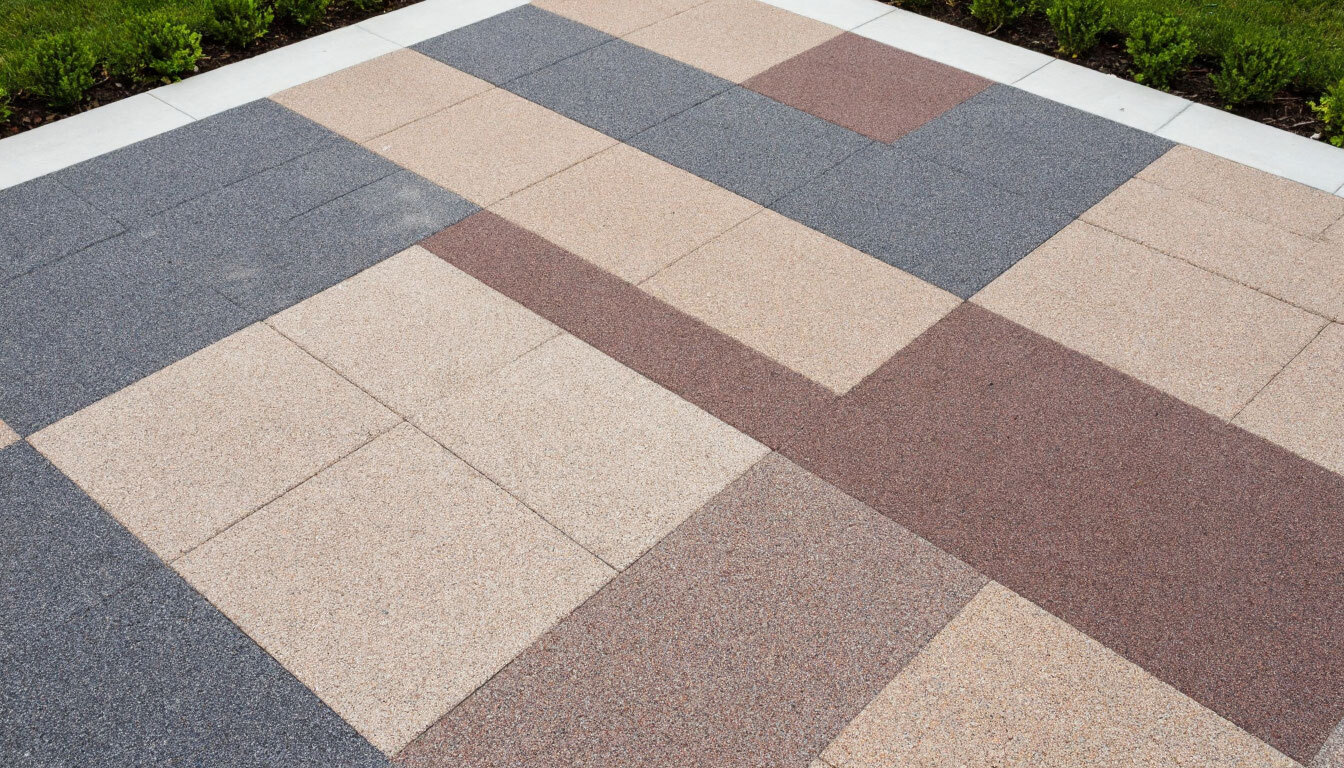
The evolution of urban landscaping in the UAE has reached a significant milestone with the widespread adoption of resin bound paving technology. This advanced surfacing solution represents a fundamental departure from traditional pavement methods, offering property developers and municipal planners a unique combination of aesthetic flexibility, exceptional durability, and environmental sustainability. In a region where extreme climate conditions constantly challenge conventional construction materials, resin bound pavement stands as a proven solution that successfully withstands the relentless sun, abrasive sand, and occasional torrential rains characteristic of the Gulf environment.
Understanding resin bound paving technology
Resin bound paving consists of a carefully engineered mixture of high-quality natural aggregates and specialized polyurethane resins that create a seamless, permeable surface. Unlike conventional asphalt or concrete paving, this technology transforms individual stone particles into a cohesive, monolithic surface through a precise manufacturing process. The selected aggregates—typically including marble, quartzite, granite, or recycled materials—are thoroughly blended with UV-stable resin systems to ensure complete encapsulation of each stone particle. This manufacturing methodology creates a surface that maintains its structural integrity while offering natural beauty and practical functionality.
The fundamental distinction of resin bound pavement lies in its permeable nature. The mixture's composition allows water to drain directly through the surface, effectively managing stormwater runoff and reducing the burden on municipal drainage systems. This characteristic proves particularly valuable in the UAE's urban environments, where sudden heavy rainfall can overwhelm traditional impermeable surfaces. The permeability not only addresses practical water management concerns but also contributes to reducing surface temperatures through evaporative cooling—a significant advantage in the region's hot climate.

Comparative advantages over traditional paving methods
When evaluated against conventional paving solutions, resin bound systems demonstrate superior performance across multiple criteria that are particularly relevant to UAE conditions. Traditional asphalt surfaces become soft and deform under extreme heat, while concrete pavements are prone to cracking from thermal expansion and contraction. Resin bound paving maintains its structural stability across the temperature extremes experienced in the region, from cool winter nights to scorching summer days.
The visual degradation common with traditional materials presents another area where resin bound pavement excels. Asphalt surfaces fade and require frequent resealing, while concrete discolors and stains over time. resin bound paving retains its color and texture indefinitely because the pigmentation and aggregate colors are distributed throughout the material's entire depth. This inherent colorfastness ensures that the surface maintains its aesthetic appeal without the need for periodic resealing or repainting.
From a maintenance perspective, resin bound paving requires significantly less attention than traditional alternatives. The seamless nature of the surface eliminates joint maintenance, weed growth, and the edge-spalling common with segmental paving. Routine maintenance consists primarily of occasional sweeping and periodic power washing, substantially reducing long-term ownership costs compared to conventional paving systems.
Design versatility and aesthetic applications
The creative possibilities offered by resin bound paving represent one of its most compelling attributes for architects and landscape designers. The technology accommodates an extensive range of color combinations, aggregate sizes, and pattern integrations that would be impractical or impossible with traditional paving materials. Design professionals can create custom color schemes that complement architectural elements, incorporate corporate branding, or achieve specific aesthetic objectives without compromising performance characteristics.
This design flexibility extends beyond color selection to include functional and decorative patterns. Directional guidance systems, decorative borders, and custom logos can be integrated directly into the pavement surface, creating cohesive design statements that enhance wayfinding and brand recognition. The seamless nature of the installation allows for smooth transitions between different functional zones, creating unified visual experiences across large areas.
The technology's adaptability makes it suitable for diverse applications across multiple settings. In residential contexts, resin bound paving creates elegant driveways and pathways that enhance property values while withstanding vehicle traffic and environmental exposure. Commercial applications include shopping center walkways, hotel entrances, and corporate campuses where both aesthetic appeal and durability are essential. Municipal implementations encompass public parks, plazas, and pedestrian precincts where the combination of safety, accessibility, and visual quality serves community needs.
Installation expertise and technical considerations
The successful implementation of resin bound paving demands specialized knowledge and precise execution. Professional installation begins with comprehensive substrate evaluation and preparation, ensuring proper drainage and structural stability. The existing base must be properly compacted and graded to facilitate effective water passage through the permeable surface. Inadequate substrate preparation represents the most common cause of pavement failure, making this initial phase critically important.
Material mixing and application require controlled conditions and experienced technicians. The resin and aggregate combination must be mixed thoroughly to ensure complete stone encapsulation while maintaining consistent proportions throughout the installation. Application techniques vary based on project scale and site conditions, with skilled installers adjusting methods to achieve optimal density and surface finish. Timing considerations are particularly important in the UAE climate, where temperature and humidity affect material workability and curing characteristics.
Quality assurance measures include regular thickness testing, permeability verification, and surface consistency checks throughout the installation process. Professional installers employ specialized equipment to achieve the required compaction and finish, ensuring the completed pavement meets specified performance standards. Post-installation, proper curing protection is essential to prevent surface damage during the initial setting period.
Long-term performance and sustainability benefits
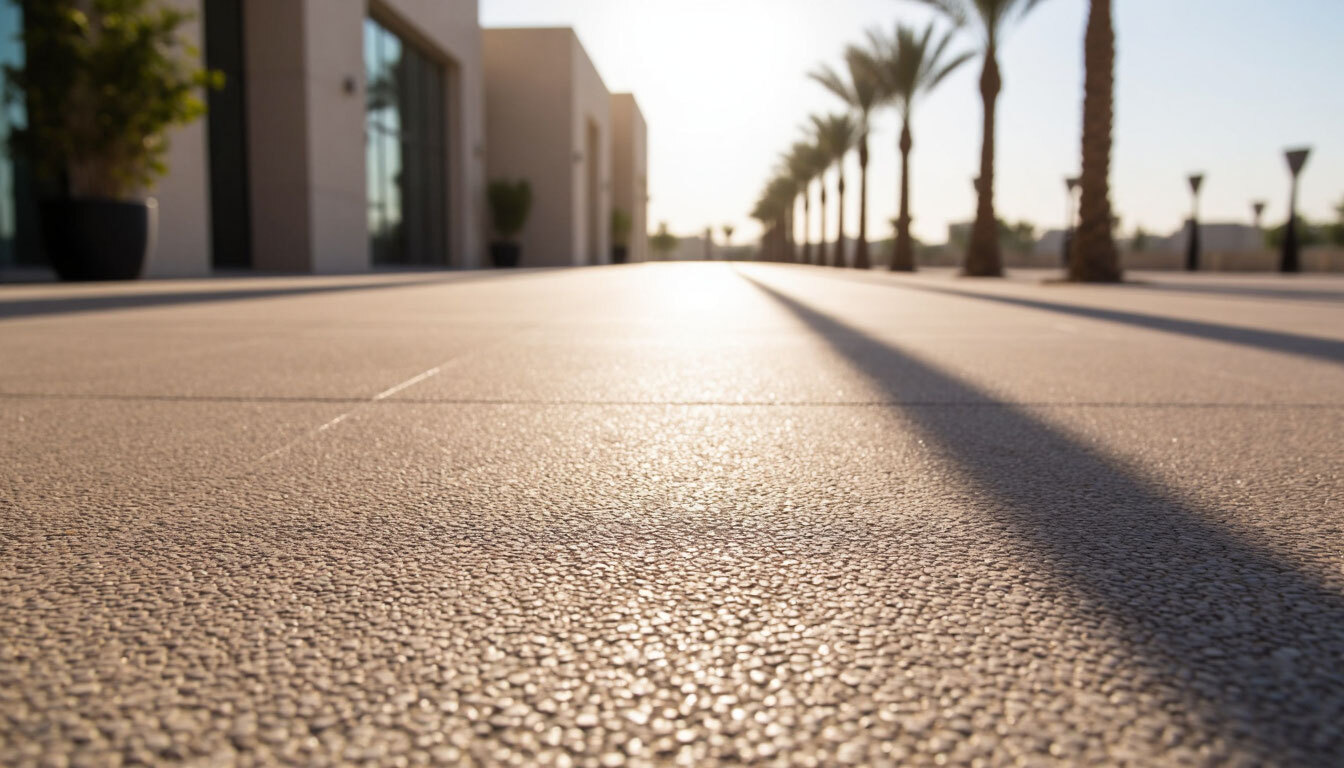
The operational lifespan of properly installed resin bound paving typically exceeds two decades with minimal maintenance, providing exceptional long-term value compared to conventional alternatives. The material's resistance to UV degradation, chemical spills, and mechanical wear ensures consistent performance throughout its service life. This durability translates to reduced resource consumption and less frequent replacement, contributing to environmental sustainability.
The permeable nature of resin bound pavement supports sustainable urban drainage principles by allowing rainwater infiltration at the source. This reduces stormwater runoff volume and velocity, minimizes erosion potential, and helps replenish groundwater resources. The surface's light-reflective properties contribute to reducing urban heat island effects, while the elimination of joint fill materials prevents the introduction of microplastics into the environment.
Conclusion: the future of urban surfacing in the UAE
Resin bound paving has established itself as the premier surfacing solution for UAE landscapes by successfully addressing the region's unique environmental challenges while offering unparalleled design flexibility. The technology's combination of aesthetic excellence, demonstrated durability, and environmental responsibility positions it as the optimal choice for forward-thinking development projects across residential, commercial, and municipal sectors.
As urban development in the Emirates continues to emphasize sustainability, resilience, and aesthetic quality, resin bound pavement provides a proven solution that aligns with these evolving priorities. The technology represents not merely an alternative to traditional paving methods, but a significant advancement in surfacing technology that delivers comprehensive benefits throughout the project lifecycle.
Ready to explore how resin bound paving can enhance your next project with sustainable, durable, and aesthetically superior surfacing solutions? Contact our specialist team for detailed technical consultation and project-specific recommendations tailored to your requirements and environmental conditions.