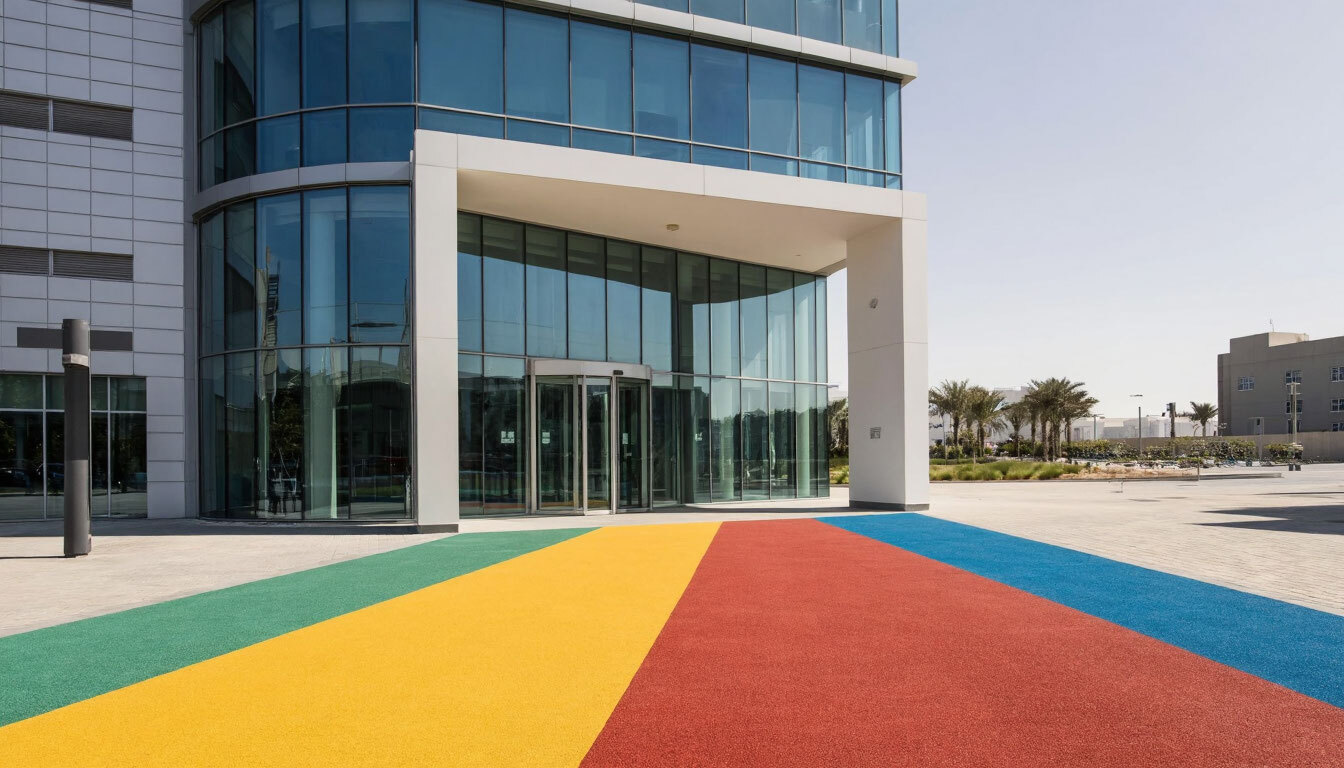
In the harsh solar radiation conditions characteristic of the United Arab Emirates, even the most durable materials face severe longevity tests. Among modern paving solutions, resin bound technology stands out for its ability to resist fading and degradation, yet it's the UV-stable versions that represent the highest level of protection in these extreme conditions. Understanding how UV-resistant resin systems work becomes not merely a technical nuance but a crucial aspect of investment decisions, determining whether your surface will maintain its aesthetic appeal and structural integrity after years of intense solar exposure.
The science of UV resistance: molecular protection against solar aggression
Ultraviolet radiation, constituting a significant portion of the solar spectrum in the Gulf region, acts as a constant aggressor against organic materials, which include conventional resins used in surface production. Standard epoxy and some polyurethane systems contain chemical bonds particularly vulnerable to high-energy UV rays. These bonds break down under prolonged exposure, leading to molecular changes in the polymer structure - a process known as photo-oxidative degradation. Visually, this manifests as surface yellowing, loss of gloss, chalking, and eventual cracking.
UV-stable resin bound systems are developed based on advanced aliphatic polyurethanes, whose molecular structure inherently lacks chromophores - chemical groups that absorb UV radiation. These specialized resins undergo further engineering through the introduction of UV stabilizers and absorbers that act as a molecular shield, intercepting and dissipating destructive UV energy before it can damage the main polymer chain. This proactive approach at the molecular level ensures unprecedented stability, preserving both the resin's mechanical properties and the surface's visual integrity.
Benefits of UV protection in the UAE climate context
The intensity of solar radiation in the Emirates creates unique challenges for exterior surfaces. Standard surfaces can show signs of fading and degradation within just a few months of intense exposure, while UV-stable resin bound systems maintain their characteristics for decades. This fade resistance proves particularly valuable for projects where color consistency is critical - whether for a commercial property's corporate identity or a private residence's carefully curated color palette.
Thermal stability represents another key advantage of UV-resistant systems. Dark surfaces in the UAE can reach temperatures exceeding 70°C during peak summer months. Conventional resins exposed to such extreme temperatures combined with UV load undergo accelerated aging, losing elasticity and becoming brittle. UV-stable formulations maintain their mechanical properties across the entire temperature range, ensuring the surface continues to function as a unified monolithic membrane capable of thermal expansion and contraction without cracking.
The economics of longevity: the hidden value of UV stability
While initial investment in UV-stable resin bound systems may exceed the cost of standard alternatives, the financial implications of this choice manifest in the long term. Traditional surfaces require regular maintenance, including resealing and early replacement to combat UV degradation effects. These recurring expenses, combined with premature surface failure, significantly increase the total cost of ownership.
UV-protected systems eliminate these hidden costs through extended service life and minimal maintenance requirements. Their ability to maintain structural integrity and color stability for 20+ years means replacement costs and associated disruptions are deferred for decades. For commercial properties where public image and safety are paramount, this represents substantial savings, transforming the surface from a periodic expense into a permanent asset.
Environmental aspects of UV-resistant systems
Within the context of growing attention to sustainable construction practices in the UAE, the longevity of UV-stable resin bound surfaces significantly contributes to a project's environmental performance. Extending material lifespan directly reduces replacement frequency and consequently, waste volumes sent to landfills. Resistance to UV degradation means surfaces don't require regular application of protective sealants or chemical treatments that could environmental impact through runoff.
Furthermore, the lightfastness of UV-stable systems enables the use of lighter color solutions without rapid fading risks. Lighter surfaces demonstrate higher albedo, reflecting more solar radiation and helping reduce the urban heat island effect. This thermal property not only improves pedestrian comfort but also reduces cooling energy loads for adjacent buildings, contributing to overall energy efficiency in the built environment.
Applications and recommendations for specific UAE conditions
Choosing UV-stable resin bound systems becomes particularly critical for certain project types in the Emirates. Southern building facades, surfaces receiving prolonged direct sunlight, and high-visibility areas such as entrance groups of prestigious hotels and corporate campuses benefit maximally from this technology. Projects involving complex color schemes or corporate branding also require color stability guarantees that only UV-protected systems can provide.
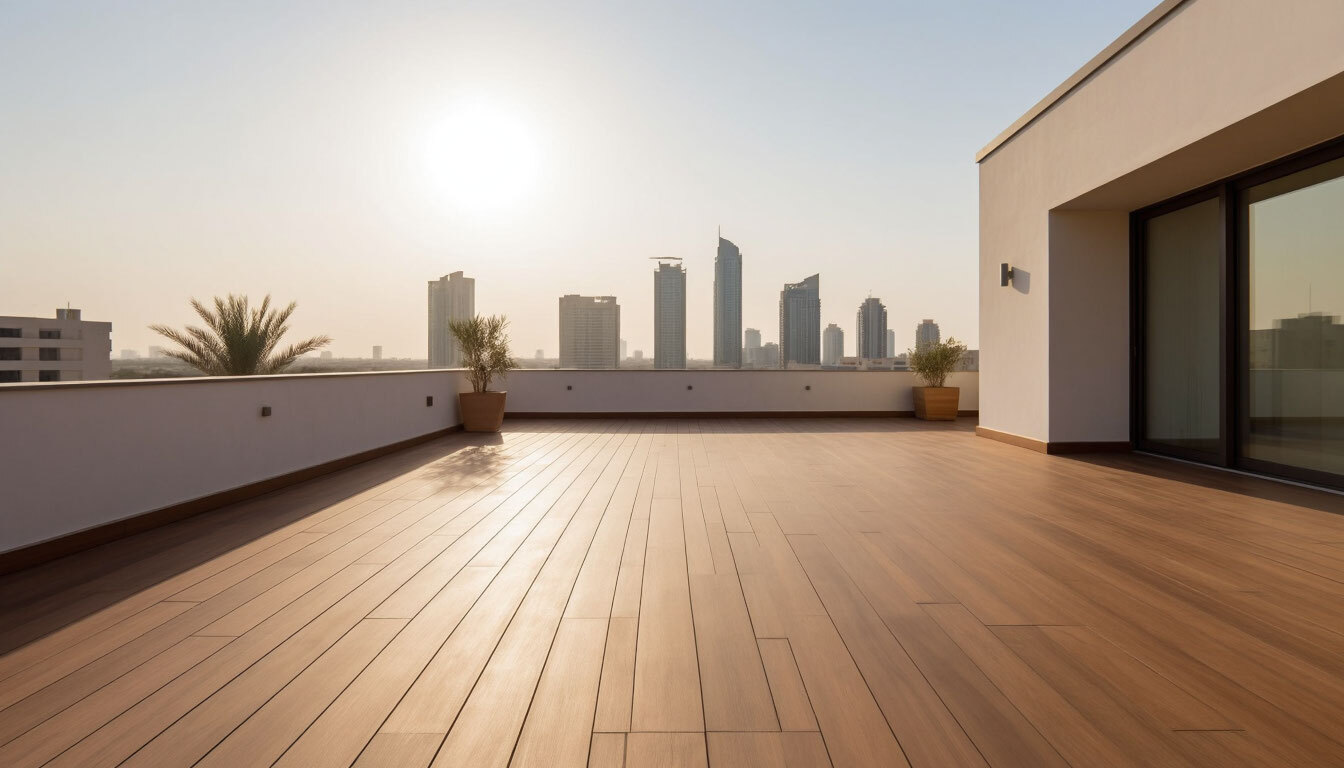
For rooftop terraces and balconies, where UV intensity amplifies due to reflection from other surfaces, UV stability transitions from an optional enhancement to a mandatory requirement. In these applications, the surface's structural integrity directly relates to the building's waterproofing integrity, making resistance to UV degradation a matter of not just aesthetics but fundamental performance.
The future of UV protection in resin bound technology
The industry continues evolving toward enhanced UV protection through nanotechnology and advanced polymer science. The latest developments include multi-level stabilization systems where different types of UV absorbers and stabilizers work synergistically to provide protection across the entire UV spectrum. These innovations promise even greater durability and open possibilities for broader color palettes without stability compromises.
The integration of UV-stable resin bound systems into sustainable building certifications like LEED and BREEAM is also gaining momentum as designers and developers recognize these solutions' contributions to lifecycle reduction and improved building environmental performance. This trend reinforces the position of UV-protected surfaces as the preferred choice for forward-looking projects in the region.
A necessity, not an option
In the UAE's climatic conditions, where solar radiation represents a constant and powerful force, choosing UV-stable resin bound systems transforms from a technical enhancement into a necessity for any project focused on longevity. The ability to maintain aesthetic appeal and structural integrity under intense UV exposure distinguishes these systems as the only viable solution for exterior surfaces that must withstand the test of time and elements.
Ready to invest in a paving solution that will withstand the UAE's most intense sunlight? Our team of specialists is ready to provide detailed information about UV-stable resin bound technology capabilities and demonstrate how they can protect your investment while maintaining your property's flawless appearance for decades to come.